020 3744 3778
Creating a Lush Adventure Garden for Curious Children
Posted on 16/08/2025
Creating a Lush Adventure Garden for Curious Children
A lively adventure garden isn't just an outdoor space; it's a world of discovery, growth, and joy. For curious children, such a garden becomes a magical realm where imagination can take flight, senses are awakened, and life skills are quietly cultivated. Whether your outdoor area is a suburban yard or a small patch on an urban balcony, crafting a lush adventure garden for children is both rewarding and easier than you might think. This comprehensive guide explores everything you need to know, from design principles to plant selection and safety considerations--ensuring your little explorers get the adventure they crave.
Why an Adventure Garden for Kids?
Childhood curiosity is boundless. Gardens that invite exploration provide countless benefits for children's development:
- Sensory stimulation and greater awareness of nature
- Encouragement of physical activity through climbing, digging, and running
- Improved problem-solving and risk assessment skills
- Boosting creativity and imagination
- Opportunities for learning about ecosystems, sustainability, and biology
- Enhanced emotional health and self-confidence
By creating a lush adventure garden for curious children, you foster not only environmental awareness but also a lifelong appreciation for the natural world. Let's explore how to make this vision a reality.
Planning Your Children's Adventure Garden
1. Assess Your Space
Before dreaming up a miniature jungle or secret woodland, review what you have:
- Size: Even a small area can become a wondrous adventure space with thoughtful planning.
- Sunlight: Note sunny versus shady spots; both influence what you can plant and place.
- Soil: Healthy soil is the foundation of any lush children's garden. Consider raised beds or container gardening if your soil is poor.
- Existing features: Mature trees, fences, or outbuildings can become part of your adventure design.
2. Involve Young Gardeners in the Process
Encourage your children to help with planning and planting the adventure garden. Ask what they'd love to do outdoors--climb? Hide? Dig for treasure? Water plants? Their input helps create a space they truly connect with.
Must-Have Elements in a Lush Adventure Garden for Curious Kids
An engaging adventure garden uses plants and features that stimulate children's senses, pique interests, and provide endless opportunities for play:
1. Secret Paths and Winding Trails
Create meandering routes with child-friendly stepping stones, soft bark mulch, or natural log rounds. Hide paths behind tall grasses or shrubs, or let vines arch overhead. These allow little ones to explore and feel like true adventurers!
2. Natural Hideaways
Design cozy nooks or dens using willow teepees, bean pole tunnels, or living forts of sunflowers. These secret little spaces are perfect for reading, dreaming, or simply escaping!
3. Interactive Edible Gardens
Plant fruits, vegetables, and herbs--strawberries, tomatoes, peas, mint, or basil--at child-height for easy picking. A mini edible adventure garden for kids offers tastes, smells, and invaluable lessons about where food comes from.
4. Sensory Planting
Choose plants that engage all five senses:
- Touch: Lamb's ear, moss, soft ornamental grasses
- Scent: Lavender, rosemary, scented geraniums
- Taste: Blueberries, nasturtiums (edible leaves & flowers), chives
- Sight: Sunflowers, rainbow chard, nasturtiums, snapdragons
- Sound: Bamboo or grasses that rustle in the breeze
5. Climbing and Balancing Features
Encourage movement by adding:
- Low balance beams made from wooden logs
- Stepping stones of different sizes
- Sturdy boulders for scrambling
- Rope ladders or hanging swings fixed to strong trees
6. Water and Mud Play Areas
Water is irresistible for most kids and can turn your backyard adventure garden into a sensory delight. Consider:
- Shallow splash pools or birdbaths (always supervise!)
- Water tables or simple hand-pump features
- Mud kitchens--old pots, pans, and wooden spoons offer endless creative fun
7. Wildlife-Friendly Zones
Encourage biodiversity by incorporating:
- Bird feeders and insect hotels
- Piles of logs or rocks for beetles and frogs
- Native flowering plants to attract bees and butterflies
Choosing Plants for a Lush Children's Adventure Garden
Opt for robust, non-toxic plants that thrive with minimal fuss. Include a mix of fast-growers, evergreens, tall grasses, and bright blooms. Here are some top picks:
Vibrant Perennials and Annuals
- Sunflowers: Towering blooms that delight children year after year
- Sedum and Sempervivum: Hardy, low-maintenance succulents
- Marigolds and nasturtiums: Vivid colors and edible flowers
- Snapdragons: Fun "mouths" that open and close when squeezed
- Calendula: Soft petals and healing properties for young skin
Child-Safe Shrubs and Grasses
- Lavender: Aromatic, drought-resistant, and bee-friendly
- Bamboo: Provides privacy, sound, and structure
- Lamb's ear: Silky, tactile foliage for sensory fun
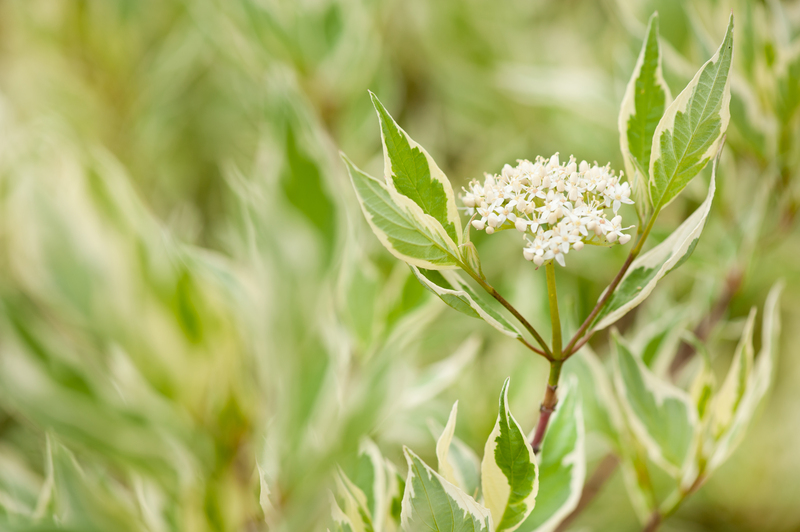
- Cornus (Dogwood): Interesting stems in winter, leaves and flowers in summer
Climbers and Cover
- Sweet peas: Colorful and fragrant annual climbers
- Runner beans: Quick-growing vines that double as food
- Clematis: Gorgeous flowers and great coverage
- Honeysuckle: Invites pollinators and smells wonderful
Edible and Herbal Plants
- Strawberries: Easy-growing, sweet fruit for nibbling
- Mint, basil, parsley: For picking, sniffing, and tasting
- Blueberries and raspberries: Rugged fruit bushes for adventurous hands
Tip: Avoid toxic plants such as foxglove, lily of the valley, or yew. Check toxicity lists before planting.
Adventure Garden Features to Spark Curiosity
Natural Building Projects
- Willow tunnels and living igloos provide green "architecture"
- Pallet forts or small wooden platforms can become pirate ships or castles
Interactive Art and STEAM
- Wind chimes made from recycled materials
- Painted rocks, homemade signs, or plant labels
- Solar garden lights for twilight adventures
- Magnifying glasses or bug viewers for closer inspection of garden life
Seasonal Variety and Surprises
Rotate seasonal plants, hide treasures, or plant bulbs for springtime surprises. Encourage children to observe garden changes throughout the year--nature's adventure never stops!
Safety First in the Adventure Garden
A lush adventure garden for children should spark curiosity--without introducing hazards. Keep these tips in mind:
- Non-toxic, sturdy plants only
- Soft landings--mulch, sand, or grass--under play features
- Sturdy structures, securely anchored
- Lock away tools or chemicals
- Supervise water play, even shallow ponds or birdbaths
- Use smooth, splinter-free wood for any DIY projects
Encouraging Imaginative Play in Your Lush Children's Garden
The Power of Open-Ended Materials
Keep a basket of "loose parts" nearby--sticks, stones, pine cones, shells, or seed pods invite invention and natural storytelling. A simple pile of logs can transform into a fairy fort, racetrack, or obstacle course.
Role-Playing Adventures
Encourage dress-up and imaginative play outdoors. Today the garden is a jungle, tomorrow a wizard's sanctuary, the next day a science lab teeming with specimens.
Garden-Based Learning & Science Exploration
Your adventure garden for kids is packed with STEAM (science, technology, engineering, arts, math) opportunities:
- Chart plant growth with a homemade wall calendar
- Measure rainfall or temperatures
- Create nature art or journals
- Organize mini bug safaris or scavenger hunts
Maintaining Your Vibrant Adventure Garden
A lush children's garden doesn't have to be high-maintenance. Involve kids in:
- Watering with small cans or recycled bottles
- Pulling weeds and deadheading flowers
- Harvesting fruit and vegetables
- Refilling bird feeders and bug hotels
- Sweeping or raking paths
Inspiration: Real-Life Adventure Garden Ideas
- Fairy Garden Corners: Tuck tiny figurines, painted stones, and fairy doors amongst creeping thyme and moss
- Dinosaur Digs: Bury "fossils" in a sandbox for young paleontologists to discover
- Butterfly Meadow: Dedicate a patch to nectar-rich plants and provide a bug observation area
- Music Wall: Hang old pots, pans, and bells on a fence for percussion fun
- Tree Trails: Label trees and shrubs, and track seasonal changes as a citizen science project
Conclusion: Growing Lasting Memories in a Children's Adventure Garden
A lush adventure garden for curious children is a gift of endless discovery--where children can challenge themselves, connect with nature, and invent their own stories. By thoughtfully designing spaces rich in plants, textures, and surprises, you'll create an environment that fosters learning, resilience, and lifelong wonder.
Start small, involve your children, and let their curiosity lead the way. Creating a lush adventure garden for kids doesn't require a landscape degree--just a dash of imagination and a willingness to embrace the natural world's ever-changing magic. Your children will thank you with years of laughter, muddy knees, and sparkling memories.
Ready to dig in? Every adventure begins with a single step--or seed!
Latest Posts
Crafting a Backyard Sanctuary for Kids' Adventures
Transform Your Home with Beautiful Orchids
Using native plants as a strategy against climate change