020 3744 3778
Practical Steps to Insulate Your Garden for Winter
Posted on 05/09/2025
Practical Steps to Insulate Your Garden for Winter
As the days grow shorter and temperatures drop, every gardener's mind turns to the challenge of protecting their outdoor space. Insulating your garden for winter is essential not just to preserve the beauty of your landscape, but to ensure the survival and vitality of your plants through the harshest months. Even the most robust garden can suffer frost damage, root trauma, or even plant death if not properly insulated. In this in-depth guide, we will explore practical steps to prepare your garden for winter, giving your greenery the best possible chance to thrive come spring.
Why Is Winter Garden Insulation Important?
In many climates, winter brings with it biting winds, freezing temperatures, and periodic snowfalls. These conditions can cause the ground to freeze and thaw repeatedly, which stresses plant roots, damages structures, and can kill less-hardy flora. Garden insulation in winter serves as a protective buffer, helping maintain more consistent soil temperatures and shielding vulnerable roots and stems from harsh conditions.
- Temperature Regulation: Insulation keeps the ground warmer, protecting root systems.
- Moisture Control: Prevents rapid evaporation and water loss from soil.
- Wind Protection: Shields plants from desiccating winds.
- Frost Defense: Reduces the risk of frost heave and ice damage.

Assessing Your Garden's Winter Needs
Before taking action, review your garden and identify which areas require winter garden insulation. Consider these critical factors:
- The age and type of your plants (young, tender plants need more protection).
- The position and exposure of your beds (south-facing beds are warmer; exposed beds need windbreaks).
- Soil type and drainage (clay soils freeze and thaw more readily than sandy soils).
- Local climate severity and snow/frost patterns.
Garden Checklist Before Insulating
- Remove debris: Clear away dead leaves, annuals, and diseased plant matter.
- Prune judiciously: Prune only as needed; leave stems on some plants for insulation.
- Water deeply: Give plants a final deep watering before the ground freezes.
Practical Insulation Techniques for Your Garden
1. Mulching for Winter Protection
Applying mulch is one of the most reliable ways to insulate your garden for the winter months. Mulch acts as a blanket, trapping soil warmth and preventing rapid temperature swings.
- Organic Mulch: Use materials like straw, bark chips, shredded leaves, or compost. They provide insulation and improve soil structure as they decompose.
- Inorganic Mulch: Gravel or landscape fabric can offer some protection but lack soil-enhancing benefits.
- Best Practices: Apply a 2-4" layer, taking care not to smother crowns of perennials. Remove or thin the mulch in early spring to prevent rot.
2. Shielding Delicate Plants and Shrubs
Certain plants are especially susceptible to cold damage. Insulate vulnerable plants for winter using these approaches:
- Cloche Covers: Use bell-shaped glass or plastic covers for individual tender plants.
- Wrapped Burlap: For shrubs and young trees, tie branches loosely and wrap with breathable burlap.
- Straw Tents or Fleece: Drape frost fleece, straw, or old blankets over susceptible plants during hard frosts.
- DIY Tip: Create a simple cage of chicken wire around prized shrubs and fill with dry leaves for added insulation.
3. Raised Beds and Container Plants
Plants in containers or raised beds are at higher risk because their roots have less soil insulation.
- Move containers: Relocate pots to sheltered locations, such as against a house wall or inside a shed.
- Wrap pots: Bubble wrap, old towels, or burlap help to insulate roots. Cluster pots together for additional warmth.
- Double-potting: Place smaller containers inside larger ones and fill the gap with straw or dry leaves.
4. Windbreaks and Protective Structures
Harsh winter winds can desiccate plants and chill soil. Erect windbreaks or protective garden structures for winter as needed:
- Temporary Fences: Install snow fencing, lattice panels, or plastic sheeting upwind of sensitive beds.
- Hedge Plantings: Plant permanent evergreens or tall grasses along wind-prone borders for future protection.
5. Cold Frames and Row Covers
If you want to grow winter veggies or extend your season, cold frames and row covers can protect plants from frost, snow, and wind.
- Cold Frames: Build a simple box frame with an old window on top. Place over greens, lettuces, and semi-hardy crops.
- Row Covers: Drape floating row cover fabric directly over your plants, securing the edges with soil or stones.
Insulating the Soil: Key Strategies
Soil is the foundation of a healthy garden. Properly insulating your soil for winter reduces heaving from freeze-thaw cycles, preserves earthworms, and maintains overall fertility.
Cover Crops
Planting winter cover crops--such as rye, clover, or vetch--helps insulate the soil, reduce erosion, and add organic matter when tilled in spring.
Protecting Bare Soil
Never leave soil bare! Exposed earth loses heat rapidly and erodes. Use mulch or a dense planting to act as winter insulation for soil.
Compost Blankets
A thick layer of unfinished compost helps to insulate garden beds and feeds soil microbes throughout the cold months.
Caring for Bulbs and Perennials Over Winter
- Mulch Bulb Beds: Apply several inches of mulch after the ground has frozen to protect bulbs from temperature fluctuations.
- Dividing Perennials: Separate and replant perennials in early autumn so roots can establish before hard frost.
- Mark Plant Locations: Use visible markers so you don't disturb dormant plants during winter maintenance.
Protecting Trees and Woody Plants
Trees benefit from winter garden insulation too. Young or thin-barked species need extra care:
- Tree Wraps: Spiral tree guards or paper wraps prevent frost cracks and sunscald.
- Mulch Circles: Mulch at least 12-18 inches away from the trunk to protect roots but avoid moisture rot at the base.
- Prune Gently: Remove dead/diseased branches but avoid heavy pruning which can stimulate tender growth late in the season.
Winterizing Your Garden Infrastructure
A garden insulated for winter should also have its non-living elements prepared:
- Drain & store hoses: Water expands when frozen; empty and coil hoses in a shed.
- Clean & oil tools: Prevent rust and damage over the winter.
- Empty rain barrels: Store upside down to avoid freeze damage.
Common Mistakes to Avoid
- Avoid over-mulching: Too thick a layer can cause rot and harbor pests.
- Don't use plastic directly on plants: This traps condensation and causes mildew.
- Don't fertilize late: Encourages tender growth that's easily damaged by frost.
FAQ: How to Insulate Your Garden for Winter
- When should I insulate my garden? Start insulation measures after the first hard freeze, when soil is starting to chill but before deep freezes set in.
- Is bubble wrap good for garden insulation? Yes, for containers. Wrap pots but avoid using plastic directly on beds or foliage.
- How much mulch should I use? Generally, 2-4 inches is best. For especially tender roots, up to 6 inches may be advisable.
- Can I use grass clippings for mulch? Use only after drying, and in thin layers to prevent matting and mold.
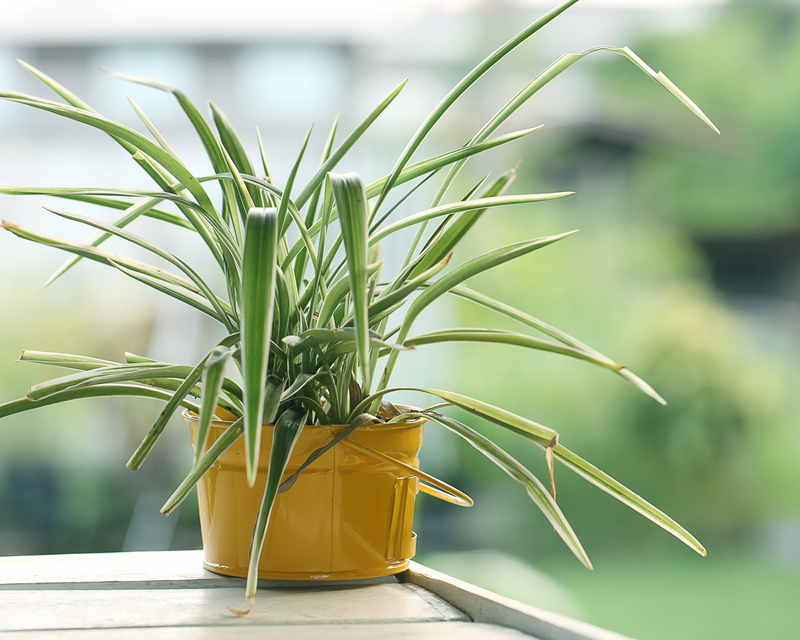
Spring: Removing Winter Insulation
Be vigilant in spring. Remove insulation materials gradually as temperatures warm, so that plants acclimate and don't suffer from rot or fungus under lingering covers.
- Check for new shoots: As soon as you see new growth, start thinning mulch.
- Shake out fleece or covers: Let plants breathe on dry, mild days.
Conclusion: Create a Resilient, Winter-Proof Garden
With these practical steps to insulate your garden for winter, you can protect your plants, soil, and even hardscape from the destructive forces of cold, wind, and frost. Careful preparation and the right choice of insulating materials mean healthier, more vibrant growth when the warmth finally returns.
Remember: Each garden is unique. Adjust these steps to your individual landscape, paying attention to local climate and plant species. By investing the time and effort now, you'll ensure your garden emerges from winter stronger than ever.
Happy gardening--even when the snow flies!
Latest Posts
Crafting a Backyard Sanctuary for Kids' Adventures
Transform Your Home with Beautiful Orchids
Using native plants as a strategy against climate change