020 3744 3778
Using native plants as a strategy against climate change
Posted on 13/09/2025
Using Native Plants as a Strategy Against Climate Change
Climate change is one of the most pressing challenges of our era, impacting ecosystems, agriculture, and human communities worldwide. As the world seeks solutions, one increasingly recognized strategy is the use of native plants. Employing native species in landscaping, agriculture, and ecosystem restoration offers an effective, sustainable approach to mitigating climate change impacts. This comprehensive article explores how leveraging native plants can combat climate change, enhance biodiversity, and foster resilient environments.
What Are Native Plants?
Native plants are species that have evolved naturally in a particular region, ecosystem, or habitat, without human intervention. Their long-term adaptation to local climates, soils, and other organisms gives native plants unique advantages over introduced or invasive species.
- Adapted to local conditions: Native plants are well-suited to the rainfall, temperature, and soil composition of their home environments.
- Mutualistic relationships: Native flora often develop symbiotic relationships with local fauna, including pollinators and soil microbes.
- Resilience: These plants are usually more resistant to local pests, diseases, and climate extremes.

Why Focus on Native Plants?
The strategic importance of using native plants to manage climate change lies in their resilience and compatibility with local ecosystems. Their use offers a whole host of advantages, particularly when facing the unpredictable changes brought by global warming.
Environmental Benefits
Native plants offer several environmental benefits that make them key allies in the fight against climate change:
- Carbon sequestration: Many native plants, particularly trees and deep-rooted grasses, pull carbon dioxide from the atmosphere and store it, reducing the greenhouse effect.
- Biodiversity enhancement: Native species support a wide variety of insects, birds, and other wildlife, strengthening ecosystem stability.
- Soil health: These plants maintain and improve soil structure, enhance fertility, and prevent erosion.
- Water conservation: Adapted to local rainfall patterns, native flora typically require less irrigation, helping conserve water resources.
- Pest resistance: Their evolutionary history makes native plants less dependent on chemical pest control, reducing runoff and pollution.
How Do Native Plants Help Combat Climate Change?
Integrating native species into landscapes and restoration projects is a practical, science-driven approach to climate resilience. Let's look at the mechanisms by which using native plants to fight climate change becomes effective.
1. Enhanced Carbon Capture and Storage
Native plants--from towering trees to deep-rooted prairie grasses--play a crucial role in sequestering carbon. Unlike many non-native ornamentals, natives with extensive root systems store significant amounts of carbon underground, sometimes for centuries. Restoring native vegetation to degraded lands transforms those places into effective carbon sinks.
2. Supporting Biodiversity and Ecosystem Services
A healthy native plant community provides critical habitats and food sources for pollinators, birds, and other wildlife. This biodiversity underpins vital ecosystem services--like pest regulation, pollination, and nutrient cycling--which are threatened by climate change. By building resilient ecosystems, native plants boost landscape adaptability to shifting climate conditions.
3. Drought Resilience and Water Conservation
In many regions, droughts are intensifying due to climate change. Native plants have evolved to survive local dry spells, requiring far less supplemental water than exotic species. Their deep roots access groundwater reserves, making them an essential component of water-wise landscaping and restoration.
4. Erosion Control and Soil Restoration
Extreme storms and heavy rainfall events are becoming more common. Native groundcovers, grasses, and trees stabilize soils, preventing erosion and runoff. This is crucial not just for maintaining healthy soils, but also for protecting water quality in rivers and lakes.
Real-World Applications: How Native Plants Are Being Used Against Climate Change
Communities worldwide are increasingly adopting native vegetation as a climate adaptation and mitigation strategy. Several successful projects highlight the potential for native plants to build climate resiliency:
Prairie Restoration in North America
Across the U.S. Midwest and Canada, vast prairies were plowed under for agriculture. Modern restoration projects involve replanting native grasses such as big bluestem, switchgrass, and little bluestem. These grasses have root systems that reach up to 10 feet deep, storing immense amounts of carbon and improving soil health.
Mangrove and Coastal Wetland Restoration
In tropical and subtropical regions, restoration of native mangroves and salt marshes plays a vital role in both climate adaptation and mitigation. Mangroves are efficient carbon sinks and natural storm buffers, protecting coastlines from severe weather intensified by climate change.
Urban Green Spaces with Native Plants
Cities are incorporating native plant species in parks, green roofs, and roadside verges. Native urban landscaping uses less water and fertilizer, supports local biodiversity, and combats the "urban heat island effect" by providing shade and cooling through transpiration.
Agroecology and Native Species in Sustainable Farming
Innovative farmers are integrating native perennials and wildflowers into cropland margins. These plants attract beneficial insects, increase pollination, and improve soil quality--important climate-smart agriculture techniques.
The Benefits of Using Native Plants for Climate Resilience
Adopting native plants to address climate change offers a range of significant advantages:
- Reduced maintenance costs: Once established, native plants need less water, fertilizer, and maintenance compared to non-native species.
- Decreased chemical use: Lower reliance on pesticides and herbicides means less pollution of waterways and fewer toxins in the environment.
- Greater landscape resilience: Native plants are far more likely to withstand floods, droughts, and temperature extremes, ensuring stable green infrastructure.
- Enhanced natural beauty: Native gardens and restored landscapes create attractive, diverse, and seasonally dynamic environments.
Communities and Economic Benefits
- Recreational spaces: Native-plant-based parks and gardens provide valuable recreational opportunities and boost public health.
- Local economies: Nurseries specializing in native species, ecological landscaping firms, and restoration projects create green jobs.
Addressing Challenges: Moving Forward with Native Plants
Despite their benefits, using native plant species to combat climate change requires addressing certain barriers:
- Awareness and education: Many homeowners, land managers, and policymakers aren't aware of native species' value. Outreach and demonstration projects can drive adoption.
- Seed and plant availability: Sourcing local-genotype natives can be challenging, but investment in nurseries and seed banks is increasing.
- Restoration complexity: Restoring native ecosystems takes planning, patience, and expertise in plant selection, site preparation, and ongoing management.
How to Use Native Plants: Practical Tips for Homeowners and Land Managers
Whether you have a backyard garden, manage public lands, or work in agriculture, anyone can make a difference by choosing native plants in landscape design. Here's how:
Choose Locally Native Species
- Check with local native plant societies, botanic gardens, or extension services to find species adapted to your specific region.
- Avoid cultivars that have been heavily modified for ornamental traits at the expense of wildlife value.
Start Small and Scale Up
- Begin with a corner of your lawn or a flower bed.
- Expand as you gain confidence and observe the benefits: increased wildlife, less water use, and reduced maintenance.
Embrace Diversity
- Use a mix of native grasses, forbs, shrubs, and trees to support complex habitats.
- Layer plantings to mimic natural ecosystems for better resilience and carbon capture.
Say No to Invasive Species
- Remove or replace invasive non-native plants that outcompete natives and reduce ecosystem function.
Connect with the Community
- Join a local native plant group or garden club.
- Volunteer for restoration projects in parks and preserves.
Policy and Planning: Scaling Up Native Plant Efforts
Large-scale change is possible when local actions are supported by regional and national policy. Policymakers can encourage the use of native plants as climate solutions by:
- Mandating native landscaping in new developments and public spaces.
- Supporting nurseries and research on native plant propagation and restoration techniques.
- Funding habitat restoration and urban greening projects that use native flora.
- Incentivizing farmers to adopt agroecological methods that integrate native species.
Success Stories: Native Plants Making a Difference
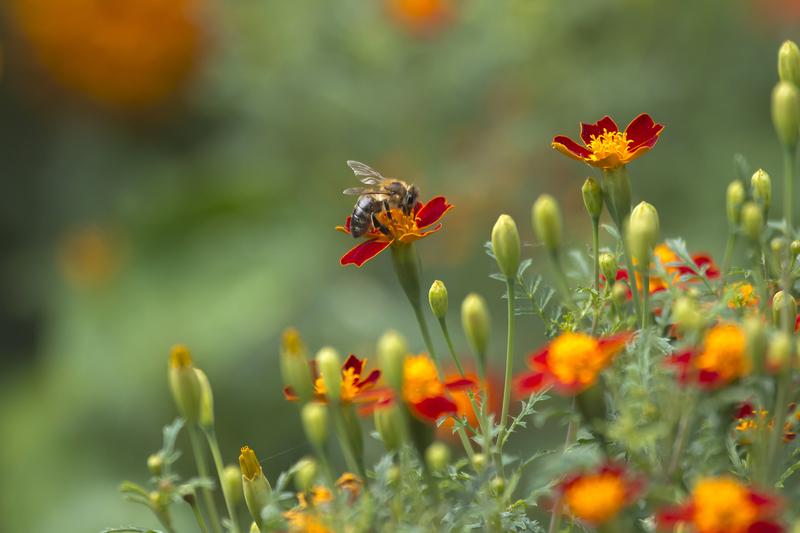
Successes abound from the restoration of California's coastal habitats with sage scrub and bunchgrasses, to Australia's widespread use of native trees in reforestation for carbon credits, to Europe's revival of wildflower meadows. Native plant strategies are helping reverse biodiversity loss, sequester carbon, and build community resilience around the globe.
A notable achievement is Chicago's Millennium Park "Lurie Garden," featuring exclusively U.S. native species. It demonstrates native plants' attractiveness, resilience, and value to both people and pollinators in a challenging urban climate.
Conclusion: Native Plants--Nature's Solution to Climate Change
Harnessing the power of native plants against climate change is a science-backed, multifaceted solution. Whether for a home garden, city park, or vast agricultural landscape, native vegetation offers unparalleled benefits: sequestering carbon, conserving water, supporting biodiversity, and building climate resilience. As global warming accelerates, the integration of native plant species into restoration and landscaping efforts is not just a "nice-to-have"--it is an imperative for a sustainable and climate-stable future.
By embracing nature's own survivors, we can cultivate landscapes that work with the climate, not against it. In doing so, we create a legacy of abundance, resilience, and hope for generations to come.
Start your journey today: choose native plants for every landscape project--because every action, no matter how small, makes a difference in the fight against climate change.
Latest Posts
Crafting a Backyard Sanctuary for Kids' Adventures
Transform Your Home with Beautiful Orchids
Using native plants as a strategy against climate change