Affordable gardeners for Coombe Estate small yards
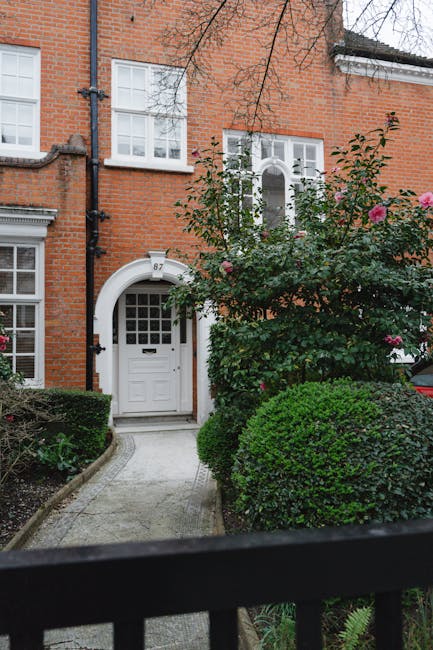
Small yards can be wonderfully characterful, but they also have a habit of showing every flaw. One patch of tired turf, one overgrown hedge, one awkward corner that never quite dries out after rain - and suddenly the whole space feels harder to enjoy than it should. That is where Affordable gardeners for Coombe Estate small yards come in. With the right planning, even a modest garden can look tidy, feel spacious, and stay manageable without turning into a costly project.
In a place like Coombe Estate, where outdoor space is often precious rather than plentiful, the trick is not to do more for the sake of it. It is to do the right things: smart pruning, selective planting, regular maintenance, and design choices that make the yard work harder for you. This guide breaks down what affordable gardening really means for compact spaces, how it works in practice, and which decisions give the best value over time. No fluff. Just useful, grounded advice you can actually use.
Why Affordable gardeners for Coombe Estate small yards Matters
Small yards are often the most neglected parts of a property, not because people do not care, but because the space feels tricky. A compact garden can become cluttered quickly. A few weeds, a narrow path, a hedge that has gone a bit wild, and the area starts to look smaller than it really is. Affordable gardening matters here because every decision has visible impact.
For smaller outdoor spaces, spending less does not have to mean settling for less. In fact, it usually means being more selective. A good gardener will look for the highest-impact tasks first: clearing debris, restoring shape, taming boundary growth, and improving the structure of the space before suggesting anything decorative. That is the sensible order. It saves money and avoids the classic mistake of buying plants before the basic groundwork is sorted.
There is also a comfort factor. A neat small yard is simply easier to use. You feel more inclined to sit outside with a coffee, let the children play for ten minutes, or just open the door and enjoy the air. That everyday usefulness is what most people want, even if they do not say it out loud.
Expert summary: In small yards, affordability is less about cutting corners and more about choosing low-waste improvements that make the whole space look calmer, cleaner, and easier to maintain.
How Affordable gardeners for Coombe Estate small yards Works
The process usually starts with a practical assessment. Not a grand design pitch. Just a clear look at what the yard needs now, what can wait, and what is creating unnecessary work. In our experience, the most cost-effective jobs are the ones that stop small issues from becoming bigger ones.
For example, a compact yard may need boundary hedge trimming, weed control, lawn care, or patio cleaning before it needs any redesign. A gardener who understands small-space work will often recommend simple, phased improvements. That might mean one visit to reset the garden, then lighter maintenance at regular intervals. Very straightforward, really.
If you want to see the kinds of services that support a tidy, efficient small garden, it helps to look at general gardening services, ongoing garden maintenance, and practical care such as lawn care or lawn mowing. For yards with boundaries that dominate the view, structured hedge trimming can make a dramatic difference without needing major landscaping.
A good small-yard plan often follows this logic:
- Remove clutter, weeds, dead material, and obvious overgrowth.
- Restore access by clearing paths, edges, and tight corners.
- Cut back anything that blocks light or makes the yard feel boxed in.
- Improve one or two key visual areas instead of trying to renovate everything at once.
- Set a realistic maintenance rhythm so the space stays under control.
The result is not just a nicer-looking garden. It is a garden that stays easier to manage next week, next month, and through the seasons. That matters more than a flashy before-and-after photo, to be fair.
Key Benefits and Practical Advantages
Affordable gardening for a compact yard offers several benefits, and they are not all cosmetic. Yes, the space looks better. But it also becomes easier to live with, easier to maintain, and often cheaper to keep in shape over time.
- Better use of space: Small yards benefit from tidy edges, vertical planting, and simple layouts that prevent the area from feeling crowded.
- Lower long-term costs: Regular care often costs less than fixing neglect later. A little upkeep now can stop expensive catch-up work.
- Improved day-to-day enjoyment: A clean, balanced garden is more inviting. You are more likely to use it rather than avoid it.
- Reduced maintenance stress: Once a small yard has structure, the weekly upkeep gets easier. Less guesswork. Less frustration.
- Better plant health: Plants that suit the space, light level, and exposure tend to need less intervention and survive better.
There is another practical advantage that people sometimes overlook: a compact garden is often the perfect place to make small design changes feel significant. Swapping a few plants, reshaping a hedge line, or cleaning a tired patio can change the whole mood of the space. It does not need to be a huge transformation.
If you are looking for ideas that work especially well in tighter spaces, the guides on container gardening for urban spaces, vertical gardening, and gardening with containers are worth a close look. They are especially useful when the ground area is too limited for broad beds.
Who This Is For and When It Makes Sense
This kind of service suits a wide range of people. You do not need to be a plant enthusiast, and you certainly do not need a large budget. It is ideal if your small yard has started to feel neglected, overgrown, or difficult to enjoy.
It tends to make sense for:
- homeowners who want a neat, low-maintenance outdoor space
- busy households that do not have the time for regular garden upkeep
- older residents who prefer light, manageable maintenance rather than heavy work
- landlords or property managers who need the garden presentable without overspending
- new residents who have inherited a garden that needs steady, practical improvement
It is also useful if the yard has one or two specific problems rather than a complete overhaul need. For instance, maybe the lawn is patchy, the hedge is swallowing light, or the patio feels slippery and uncared for. In those cases, affordable gardeners can focus on the trouble spots first. That targeted approach is usually the smartest one.
For households with different lifestyle needs, there are some good niche ideas too. A yard used by children may need safer open areas. A space shared with a dog may benefit from durable planting and clearer circulation. If you are planning around family life, the articles on kid-friendly garden spaces and gardens for dogs can help you think more clearly about layout and materials.
Step-by-Step Guidance
If you want to keep costs sensible, the best approach is to break the work into stages. Trying to do everything at once can make a small yard feel expensive and chaotic. A phased plan is calmer, and usually better value.
1. Start with a quick honest assessment
Walk the garden slowly. What is actually bothering you? Is it the weeds, the hedge height, the lawn, the planting, the paving, or simply the feeling that nothing matches? Be honest. It is much easier to budget properly if the real priorities are visible.
2. Clear what is making the space feel smaller
In compact gardens, overgrowth has a strong psychological effect. A hedge leaning in, a pile of old pots, or a border packed with weak plants can make the whole area feel cramped. Clearing and cutting back gives instant breathing room.
3. Decide what deserves professional attention first
Some jobs are simple enough for a homeowner. Others are better left to a gardener, especially if they involve working at height, awkward edging, thick roots, or repeated maintenance. Common first priorities include patio cleaning, trimming boundary plants, and improving lawns.
4. Choose compact-friendly planting
Small yards thrive with restrained planting choices. Think containers, climbers, narrow shrubs, and ground cover rather than oversized beds that need constant pruning. If you want softer edges without a lot of effort, the article on ground cover plants suited to the UK climate is a useful starting point.
5. Build a simple maintenance rhythm
Once the garden is under control, keep it that way with regular visits or a repeat checklist. It is easier to maintain a tidy yard than to rescue a neglected one. That is just the truth of it.
For a seasonal angle, it helps to read about weather-resistant garden planning and winter preparation. A small yard can suffer quickly if exposed to wind, damp, or frost without a little preparation.
Expert Tips for Better Results
The cheapest garden is not always the one with the lowest invoice. It is the one that stays tidy without constant rescue work. That sounds obvious, but it is easy to forget when you are staring at a tired yard and just want it fixed.
- Use height carefully: Vertical planting, trellis work, and trained climbers can add greenery without taking up precious floor space. Just keep the structure neat.
- Limit the palette: Two or three plant styles repeated well often look better than ten plants fighting for attention.
- Prioritise shape over quantity: A neat hedge line or a clean border edge can do more for a small garden than several extra plants.
- Choose low-maintenance finishes: Materials and planting that do not need constant care are usually best in compact spaces.
- Ask for pruning rather than replacement first: Sometimes a skilled cut is enough. No need to rip everything out on day one.
One small but useful tip: if your yard faces shade, do not keep forcing sun-loving plants into it. That is a common money drain. Instead, work with shade-tolerant planting and structure, such as ideas from evergreen climber planting. A well-chosen plant in the right spot is worth three struggling ones in the wrong spot.
If privacy is a concern in a small yard, a carefully managed hedge may be more effective than a fence-heavy solution, especially when space is tight. The article on fast-growing hedges for privacy is a practical companion piece.
Common Mistakes to Avoid
Most garden budgets go wrong in predictable ways. The good news? They are avoidable if you slow down a little.
- Overplanting: Filling every gap can make a small yard feel cluttered and harder to maintain.
- Ignoring the basics: A decorative plant scheme will not hide poor edging, uneven maintenance, or a slippery patio for long.
- Choosing the wrong hedge height: Too tall, and the space feels enclosed. Too short, and you lose structure. Balance matters.
- Using lawn as filler: Small lawns can be lovely, but only if they are practical. A patchy lawn that constantly needs work may not be worth the trouble.
- Skipping regular maintenance: One tidy-up is nice. Ongoing care is what keeps the yard from sliding backwards.
Another mistake is assuming that a small garden should have a "big garden" design style. It usually should not. The most successful compact spaces are simple, readable, and calm. A small yard does not need more ambition. It needs more clarity. Bit of a difference there.
Tools, Resources and Recommendations
You do not need a shed full of professional kit to maintain a small yard properly, but the right tools do make the work faster and cleaner. A sensible gardener will usually bring basics such as cutting tools, edging equipment, collection bags, pruning gear, and safe access equipment where needed. The guide on essential gardening equipment is useful if you like to understand what good work usually involves.
For larger tidy-up jobs, a phased approach often works best. A first visit might focus on clearing, cutting back, and restoring order. Later visits can focus on maintenance, planting, or small design improvements. If your garden has become quite tangled, garden revival planning is a helpful way to think about the process.
Here are some practical recommendations for compact yards:
- use containers where borders are too narrow
- choose hardy, low-fuss plants that suit the site conditions
- keep paths and access points clear
- avoid heavy ornamentation that crowds movement
- plan for easy watering rather than constant plant rescue
If you are thinking about seasonal colour or a lighter-feel layout, the article on calm, balanced garden ideas offers a nice direction without overcomplicating things. And for people who want visual impact without a lot of maintenance, low-effort garden improvements is a sensible read.
Law, Compliance, Standards and Best Practice
For most small domestic gardens, the practical focus is less about legal complexity and more about safe, considerate working. Still, there are a few best-practice points worth keeping in mind. Any gardener working on site should use sensible safety procedures, communicate clearly, and handle waste responsibly. If tools are being used near hard surfaces, paths, or fences, care matters. A lot.
If a project involves trees, large branches, or anything beyond routine pruning, it is wise to use a qualified approach. Tree work can be hazardous, and the safe route is to treat it as specialist work rather than just "a bigger gardening job." The same goes for working near unstable structures, slippery paving, or awkward access.
It is also reasonable to ask about insurance, health and safety practices, and how waste or materials are handled. For general trust signals, the site's own pages on insurance and safety, health and safety policy, terms and conditions, and payment and security are useful reference points when you are deciding whom to trust with work on your property.
From a best-practice point of view, the biggest rule is simple: never let affordability push you toward poor workmanship. A tidy quote is great. A tidy, safe result is better.
Options, Methods, or Comparison Table
There is more than one way to manage a small yard affordably. Which route suits you depends on time, budget, and how much the space is used. Here is a simple comparison to help you think it through.
| Approach | Best for | Strengths | Watch-outs |
|---|---|---|---|
| One-off tidy-up | Overgrown or neglected small yards | Fast visual improvement; clears the slate | Needs follow-up to stay neat |
| Regular maintenance visits | Busy households and landlords | Prevents problems from returning; predictable upkeep | Less dramatic than a full redesign |
| Light redesign plus maintenance | Yards that feel cramped or awkward | Improves both function and appearance | Needs a clearer plan and slightly more budget |
| Plant-led refresh | Spaces needing softness or privacy | Can be attractive and compact-friendly | Plant choice must suit shade, wind, and water levels |
| Surface-led improvement | Patios, paths, and worn hard landscaping | Often makes an immediate difference to the whole look | May need more specialist work if surfaces are damaged |
If your garden has a lot of hard surfaces, a clean-up might reveal that the patio is the real problem, not the planting. In those cases, a practical service like patio cleaning can be an unexpectedly high-value improvement. Small yards are funny like that: one clean slab can lift the whole mood of the place.
Case Study or Real-World Example
Imagine a compact Coombe Estate yard that had slowly drifted into "too much to deal with" territory. The hedge had grown uneven, weeds were threading through the borders, and the patio had started to look dull and slightly neglected. Nothing dramatic, just enough to make the space feel tired every time the back door opened.
The first sensible step was not planting. It was reset work. The hedge was shaped back into line, the weeds were cleared, the patio was cleaned, and the borders were reduced to a simpler structure. After that, only a few plants were added back in - the sort that suit smaller spaces and do not demand constant fuss.
The change was less about "wow factor" and more about relief. The yard felt calmer. Easier. It no longer looked as if it needed a weekend of hard labour just to stand still. That is often the real win with affordable gardeners in small yards. The space starts serving the household again, instead of becoming another job on the list.
Sometimes the nicest gardens are not the ones packed with features. They are the ones that quietly make life smoother.
Practical Checklist
Use this quick checklist if you are planning affordable garden help for a compact yard:
- Identify the top 3 problems that bother you most
- Decide whether the goal is tidy-up, maintenance, or light redesign
- Check which areas need pruning, clearing, or cutting back
- Make note of any shade, wind, damp, or access issues
- Choose a few compact-friendly planting ideas rather than overfilling the space
- Consider whether the lawn is worth keeping or should be simplified
- Ask about ongoing maintenance options after the initial visit
- Review safety, insurance, and payment information before work begins
- Plan one or two easy follow-up tasks for yourself
- Keep the design simple enough to maintain in real life
That last point is the one people often skip. A garden should fit your life, not just your imagination on a good day in spring.
Conclusion
Affordable gardeners for Coombe Estate small yards are not about cutting costs at the expense of quality. They are about making smart choices in a small space where every inch matters. With the right mix of clearing, pruning, planting, and maintenance, a compact yard can become neat, welcoming, and surprisingly versatile.
The most effective approach is usually the simplest one: fix the problems that create the most visual and practical strain, then maintain the result before things drift again. A small yard that is easy to care for is not only cheaper to live with - it is also more enjoyable to use. And honestly, that is what most people want in the end.
Get a free quote today and see how much you can save.
If you are ready to turn a cramped or tired outdoor space into something calmer and more usable, start with a conversation and a practical plan. Good gardening in a small yard should feel reassuring, not overwhelming. One careful step at a time.
Frequently Asked Questions
What do affordable gardeners for small yards usually do first?
They usually start by clearing clutter, cutting back overgrowth, and identifying the most urgent maintenance issues. In a small yard, the first job is often to make the space feel open and manageable again.
Can a small yard really look good on a modest budget?
Yes. In fact, small yards often respond very well to budget-conscious work because a few visible changes can transform the whole feel of the space. Clean edges, tidy planting, and simple structure go a long way.
Is regular maintenance cheaper than occasional big jobs?
Usually, yes. Regular maintenance tends to prevent problems from building up, which means fewer costly rescue visits later. That said, a one-off tidy-up is sometimes the best starting point if the garden is currently overgrown.
What are the best plants for compact gardens?
Plants that stay manageable, suit the light levels, and do not need constant pruning are usually best. Containers, climbers, and low-growing ground cover can work especially well in smaller spaces.
Do gardeners help with patios as well as plants?
They often do. A compact yard can benefit just as much from surface cleaning and edge tidying as from planting. A tired patio can make the whole garden feel neglected.
How often should a small yard be maintained?
That depends on the growth rate and the level of use, but many small yards benefit from light, regular attention rather than waiting for a big seasonal clear-out. A steady rhythm usually keeps costs more predictable.
What if my yard is shaded or windy?
That is very common, especially in tighter outdoor spaces. The key is to choose planting and structure that suit the conditions rather than fighting them. Shade-tolerant and wind-tolerant choices usually perform better.
Do I need a full garden redesign for a small yard?
Not usually. Many small yards improve dramatically with selective pruning, simple planting changes, and better maintenance. A full redesign is only necessary if the layout itself is causing the problem.
Are hedge trimming and lawn care worth paying for in a small space?
Yes, often absolutely. These jobs can create a huge visual difference in compact gardens. A well-shaped hedge or a healthy lawn can make the entire yard feel more orderly.
How do I know if a quote is good value?
Look at what is included, not just the price. A useful quote should be clear about the work, realistic about the time needed, and sensible about what will be done first. Cheap is not always affordable if the result falls apart quickly.
Can affordable gardeners help if the garden has become overgrown?
Yes. A lot of small-yard work begins with a recovery phase. Clearing, pruning, and restoring shape can bring the garden back under control before any finer improvements are made.
What should I ask before booking garden work?
Ask what is included, whether waste removal is covered, how follow-up maintenance works, and what safety or insurance practices are in place. Those basics help you avoid surprises and keep the process straightforward.